


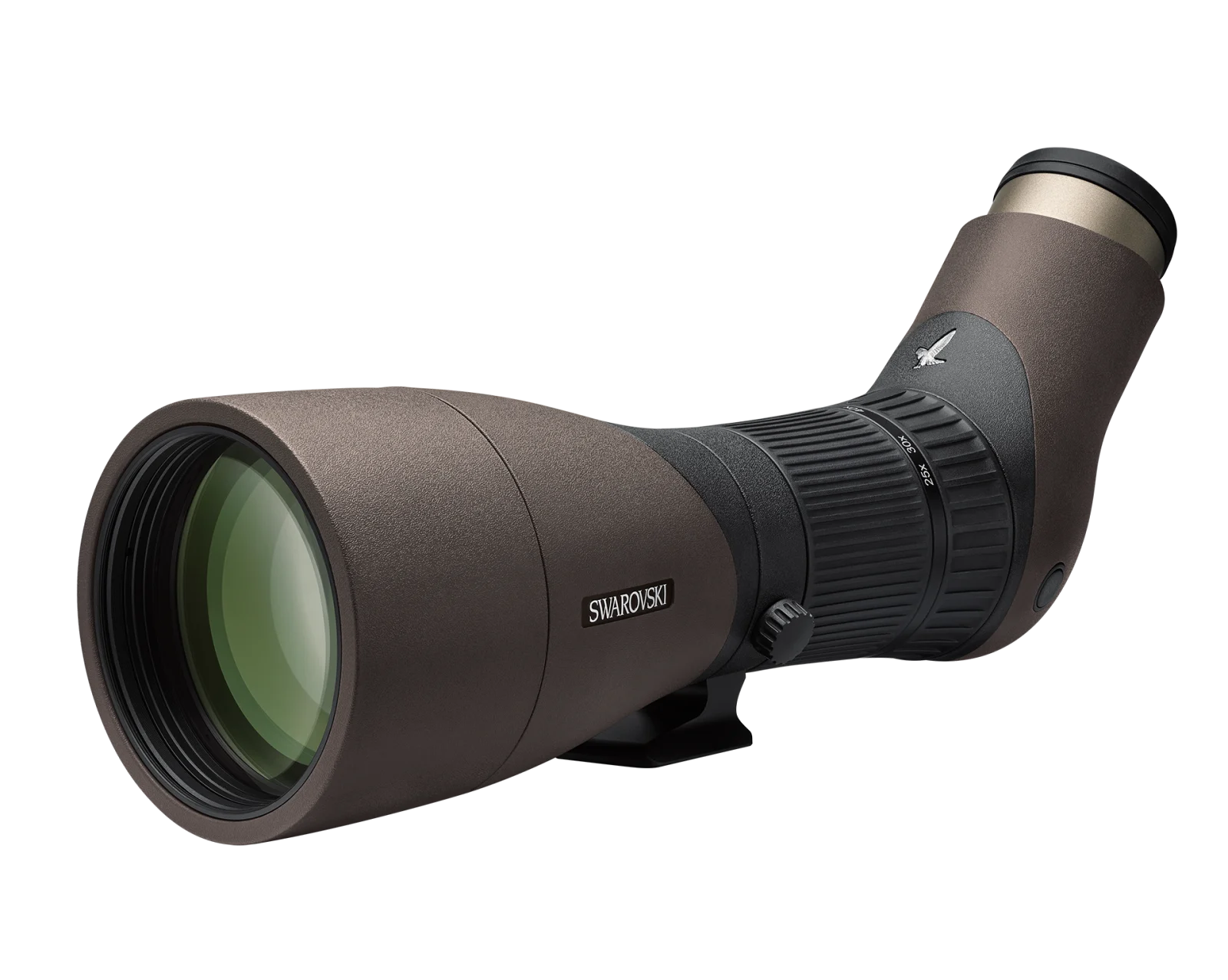
Swarovski - ATX Interior 25-60x85
R 121,000.00
Availability:
In stock
SKU
ATX85INKIT
Get your goods upfront and pay for
them over 3 interest free instalments
of R 40,333.33. Standard shipping terms
apply.
Find out how >>
them over 3 interest free instalments
of R 40,333.33. Standard shipping terms
apply.
Find out how >>

×



PayJustNow is a simple, easy-to-use payment system.
Here’s how it works:
PayJustNow allows you to pay for your purchase over 3 equal, zero interest instalments. You’ll pay one instalment at the time of purchase, the next at the beginning of the following month and the last one a month thereafter.
#zerointerest
Step 1:
Browse your favourite online stores and proceed to check-out.
Step 2:
Choose PayJustNow as your payment method.
Step 3:
Create your account as easily as if your eyes were shut (though we’d recommend you keep them open).
Step 4:
Complete your purchase and whoop for joy!
Here's what you'll need:
To be over 18 years old
A valid RSA ID document
A debit or credit card
An email address
Description:
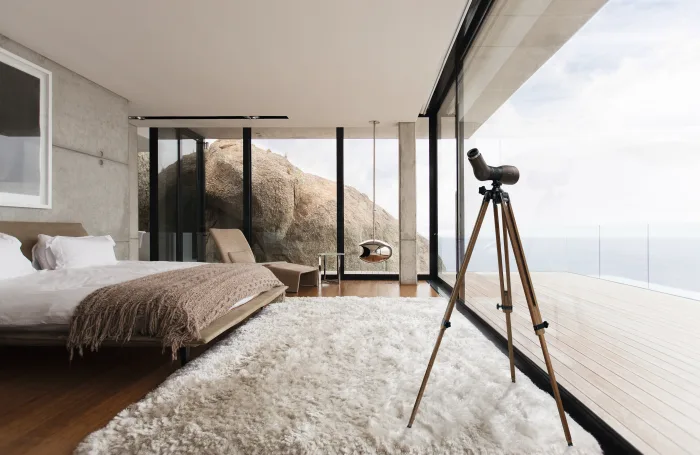
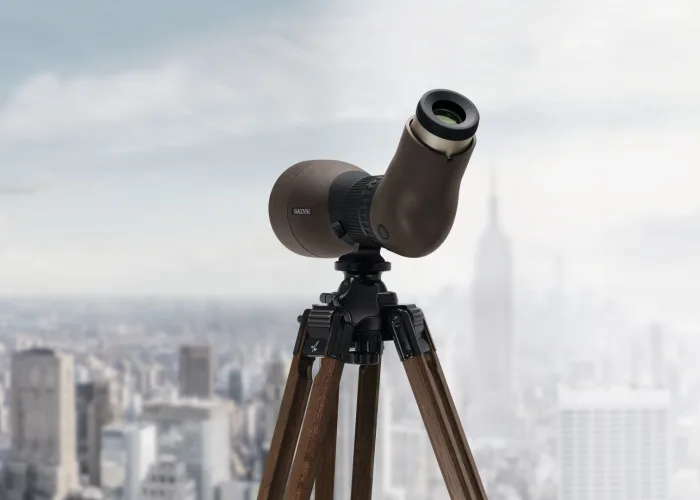
A versatile spotting scope with an 85 mm objective lens and angled view is perfect for comfortable observing for hours and ensures you are excellently prepared for any situation. Its large field of view and zoom range enable quick and precise observation. With its excellent light transmission, zoom range, and close-range focusing (11.8 ft / 3.6 m), it is also perfect for digiscoping. A top-quality wooden tripod with integrated aluminum tripod head automatically comes with the ATX Interior; you therefore acquire a beautifully coordinated set.
Technical Specifications:
Color:
Brown
Digital:
| M 87 x 0.75 Objective filter thread |
Environment & Conditions:
| -20 to +55 °C Functional temperature |
Objective:
| 25-60x Magnification |
85 mm Effective objective lens diameter |
| 3.4-1.4 mm Exit pupil diameter |
20 mm Eye relief |
| 41-23 m/1000m Field of view m at 1000m / ft at 1,000yds |
2.37-1.30 ° Field of view degrees |
| 57-71 ° Field of view apparent |
3.6 m Shortest focusing distance |
| > 5 dpt Diopter correction at ∞ |
86 % Light transmission |
Size & Weight:
| 372 mm Length in mm. |
1910 g Weight |
What to consider when choosing your spotting scope:
Objective lens diameter

The objective lens diameter specifies how much light can enter the optics. This makes it a key factor in an instrument’s performance, for example, in twilight. The bigger the objective lens diameter, the more light the objective lens can capture. The darker the surroundings, the larger the objective lens diameter needs to be. Check the precise product name as the number after the ‘x’ specifies the objective lens diameter in millimeters. For example, a device with the suffix 10x42 has an objective lens with a diameter of 42 mm.
Variable magnification

Variable magnification makes it possible to adjust the magnification flexibly within a specific range. In contrast to fixed magnification, it allows you to zoom from the lower value to the higher value. However, as the magnification increases, the field of view, i.e. the image section, becomes smaller. Check the precise product name as the number in front of the ‘x’ specifies the magnification. For example, 30-70x95 is a device with a variable magnification from 30x to 70x.
Field of view

The field of view describes the size of the image section that can be seen through the optics. This is specified either in meters (width) at a distance of 1000 meters (m/1000m), or feet (width) at a distance of 1000 yards (ft/1000 yds), or as an angle (degrees). The higher the magnification, the smaller the field of view.
Binoculars have a large field of view, which means you can see a wide area. Spotting scopes have a higher magnification, which makes the field of view much smaller, but you can see more detail.
Weight

The weight specifies how heavy or light the device is (in grams or ounces). Do you intend to do a lot of walking? Lightweight equipment is a priority in this case.
More Information
| Exportable products | No |
|---|
Reviews
Write Your Own Review